
Small incisions reduce chances of wound-related complications.
Mumbai • Laparoscopic & Advanced GI Care
Precision Laparoscopic Surgeries
Minimally invasive procedures with smaller incisions, faster recovery, and refined outcomes—delivered with personalised, patient‑first care.
-
40,000+ Successful Treatments Proven outcomes across laparoscopic & bariatric care
-
30+ Years of Experience Expertise you can trust
-
100% Patient‑First Care Compassionate journey from consult to recovery
What is Laparoscopic Surgery?
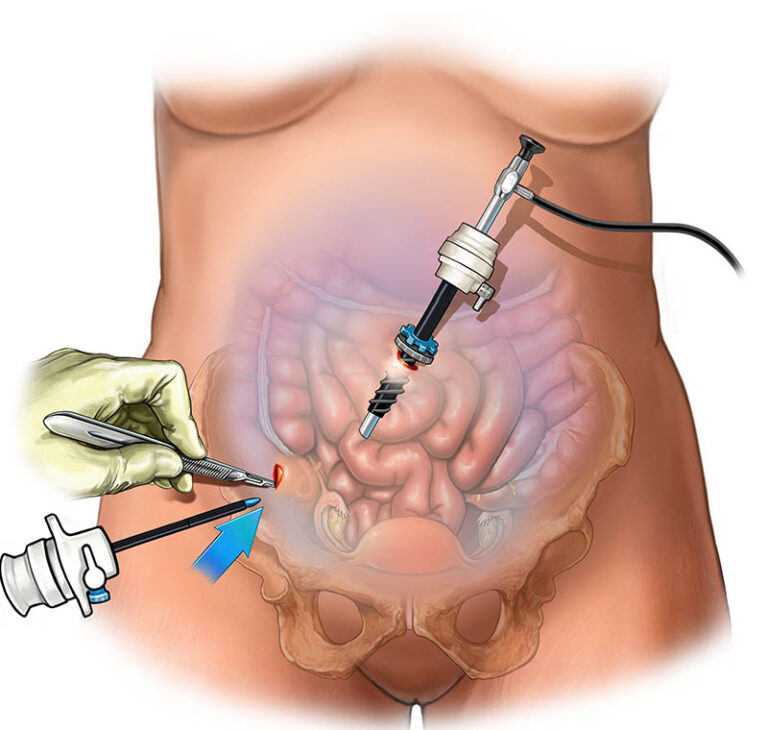
Laparoscopic surgery is a type of surgery done through very small cuts in the body. Instead of opening up a large area, doctors use a thin tube with a camera (laparoscope) to see inside. Special instruments are then used to perform the surgery while watching the images on a screen. This method usually causes less pain, smaller scars, and faster recovery compared to traditional surgery.

-
Faster Recovery Patients usually heal quicker and can return to normal activities sooner than with open surgery.
-
Less Pain and Discomfort Smaller cuts mean less pain after surgery and reduced need for strong pain medicines.
-
Smaller Scars Since only tiny incisions are made, the scars are minimal and more cosmetically appealing.
Explore Procedures
Gallstone Surgery
Laparoscopic cholecystectomy for symptomatic gallstones.
Hernia Surgery
Mesh‑based, tension‑free laparoscopic repair.
Inguinal Hernia
TEP/TAPP approaches for groin hernias.
Umbilical Hernia
Cosmetic umbilical contour preserved when possible.
Hiatal Hernia
Anti‑reflux focus; repair with/without fundoplication.
Ventral Hernia
Component‑based/mesh reinforcement planning.
Hernia Revision
Address recurrence, discomfort, or failed repairs.
Appendix Surgery
Laparoscopic appendectomy—acute & interval.
Acid Reflux (GERD) Surgery
Hiatal repair ± fundoplication; symptom relief goals.
Digestive Cancer Surgery
Oncologic principles with minimally invasive access.
Colon Surgery
Laparoscopic colectomy where appropriate.
Gallstone Surgery (Cholecystectomy)
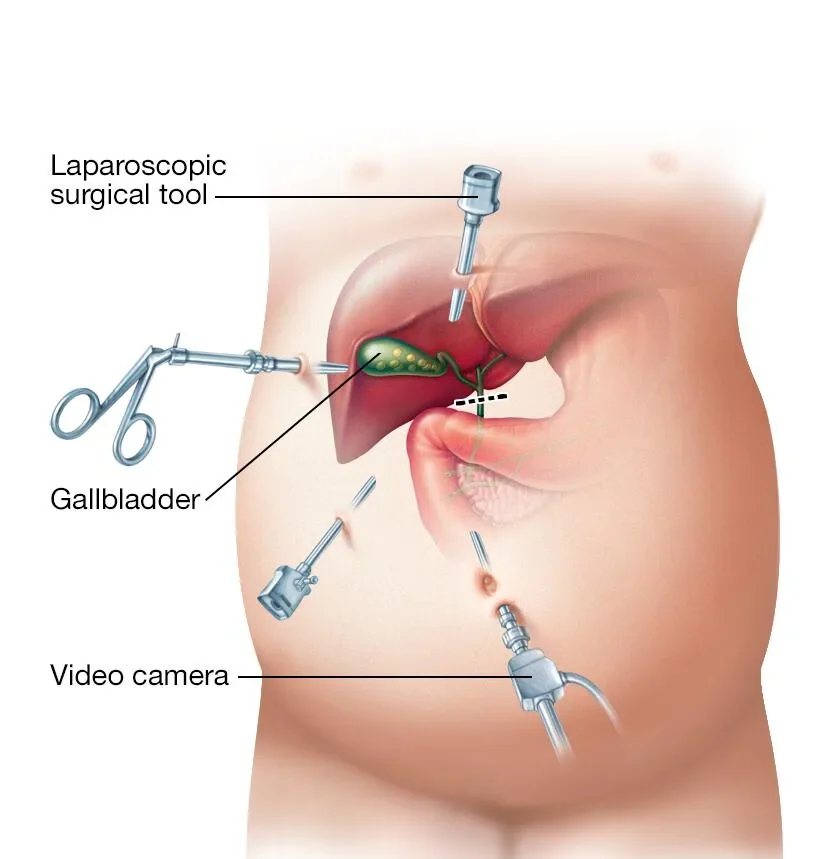
Surgery to remove the gallbladder is the most common way to treat symptomatic gallstones. The standard surgery is called laparoscopic cholecystectomy. For this operation, the surgeon makes 3 to 4 tiny incisions in the abdomen and inserts surgical instruments. A telescope transmits the inside view through a miniature video camera on to a video monitor. The camera sends a magnified image from inside the body to a video monitor, giving the surgeon a view of the inside of the abdomen. The surgeon uses the instruments to carefully separate the gallbladder from the liver, ducts, and other structures. Then the cystic duct is cut and the gallbladder is removed through one of the small incisions.
Best suited for: patients with gallstones causing pain, indigestion, or complications such as cholecystitis, jaundice, or pancreatitis, and who are otherwise fit for anesthesia and minimally invasive surgery.
Laparoscopic Hernia Surgery
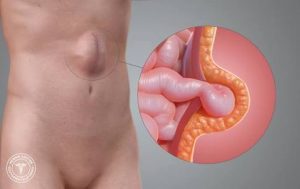
In this approach, a laparoscope (a tiny telescope) connected to a special camera is inserted through a trocar (a small hollow tube) allowing the surgeon to view the hernia and the surrounding area on a video screen. Other trocars are inserted which allow the surgeon to work in the abdomen. The hernia is repaired from behind the abdominal wall. A piece of surgical mesh is fixed over the hernia defect and held in place with small surgical staples or stitches. Usually 2 to 3 small incisions are necessary. This operation can be performed under general/ regional/ spinal/ local anaesthesia.
Best suited for: patients with inguinal, umbilical, or incisional hernias who want quicker recovery, less postoperative pain, and minimal scarring, especially those with hernias on both sides (bilateral) or recurrent hernias after open surgery.
Acid Reflux (GERD) Surgery
Currently in uncomplicated peptic ulcer disease surgical treatment is infrequently used.
However surgery may be required in cases where complications due to peptic ulcer have occurred. In such cases, the treatment options comprise of:
- Removing the acid producing area of the stomach by removing part of stomach.
- Dividing the nerve which stimulates acid production or combining it with creation of a separate passage for the bolus of food to by-pass the ulcer area.
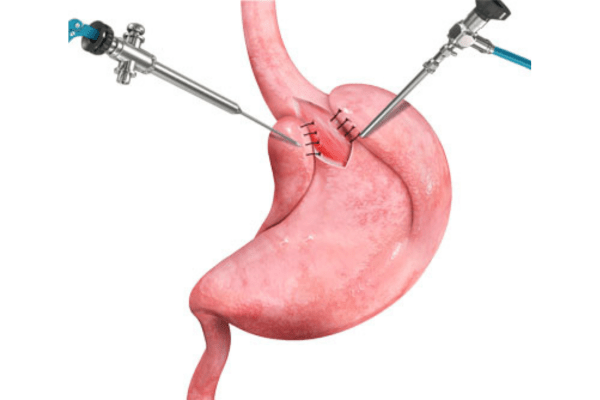
- Simple Laparoscopic closure of the ulcer area, in case it has perforated.
- Tying the blood vessel supplying the ulcer (in case it is bleeding) or endoscopic coagulation.
Best suited for: patients with chronic GERD who do not get lasting relief from medications, those with complications like esophagitis or Barrett’s esophagus, and individuals seeking a long-term solution without lifelong dependence on medicines.
Appendix Surgery
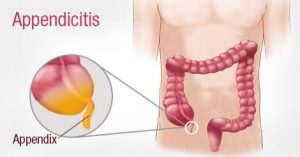
The treatment of acute appendicitis is removal of the appendix (i.e. appendicectomy). This can be done by an open technique or laparoscopically. Laparoscopic appendicectomy is performed by making three tiny (3-10 mm) incisions through which the telescope and instruments are introduced and the appendix is removed. The advantage of laparoscopy, over open technique, is that the patient goes home within one day after surgery with almost no pain in contrast to open surgery where the patient stays in the hospital for a longer time with considerable pain requiring injectable pain killers.
Best suited for: patients with acute appendicitis (inflamed or infected appendix), including both children and adults, who want faster healing, less discomfort, and a lower risk of wound complications.
Colon Surgery
We routinely perform Laparoscopic Colon surgery for benign conditions like ileocaecal tuberculosis, a surgery called Lap Sigmoidectomy for diverticular diseases, and Lap Rectopexy procedure for rectal prolapse with excellent results. We also perform laparoscopic radical colonic surgery for cancer of colon.
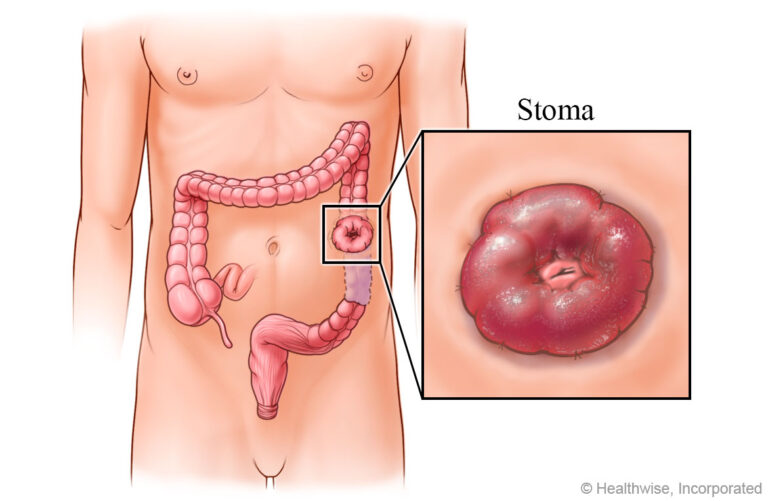
Also in surgeries involving lower rectum, we avoid a dreadful post operative compromise called colostomy to most of our patients by using combination of our skills and technology.
Colostomy means closing anus and making a small opening on abdomen from where the stools or defecation would evacuate into a plastic bag everyday for the rest of patient’s life. Its highly compromised quality of life and in most cases colostomy is avoidable using the right skills along with a device called circular stapler and an equipment that provides ultra sound based operating energy rather than electricity based energy.
Best suited for: patients with colon cancer, diverticulitis, polyps not removable by endoscopy, or inflammatory bowel disease who are suitable for minimally invasive surgery and want faster recovery, less pain, and smaller scars.
Digestive Cancer Surgery
Digestive cancer means tumor present in one or many of the digestive organs in our gastro-intestinal tract.
Digestive organs include esophagus, stomach, liver, spleen, gall bladder, pancreas, small intestine, large intestine and rectum.
One of the biggest limitations of open surgery is that the surgeon has to make a big incision of 6-9 inches on abdomen even to access affected area and many a times realize once accessed that the disease is too widespread to operate and simply close the abdomen.
Diagnostic, Staging and Therapeutic Laparoscopy offers a great advantage in avoiding such morbid exploration in cases of stomach, colon and pancreatic cancers.
There are enough large randomized controlled trials (RCT) to prove that laparoscopic colonic resection is comparable to open surgery in terms of disease control and recurrence.
Even laparoscopic liver surgeries are done for cancer of liver in dedicated centers with excellent results.
With the advent of new technology, skills and experience the conversion to open surgery is considerably reduced.
Best suited for: patients diagnosed with early to moderately advanced digestive cancers (such as stomach or colorectal cancer) who are fit for minimally invasive surgery and want effective tumor removal with faster recovery and fewer postoperative complications.
Benefits at a Glance
Smaller Scars
Only tiny cuts are made, leaving minimal marks on the body.
Less Pain
Patients usually experience reduced pain after surgery.
Faster Recovery
Quicker return to normal activities compared to open surgery.
Lower Risk of Infection

About Dr. Abhay Agrawal
Dr. Agrawal is a Laparoscopic GI & Bariatric Surgeon in Mumbai offering comprehensive, personalised care from consultation through recovery. His approach blends advanced technique with a compassionate bedside manner.
- Expertise
- Comprehensive Support
- Personalised Care
Over 25 years of experience and hundreds of successful surgeries with state‑of‑the‑art technology and transparent communication.
Real Patient Stories
Frequently Asked Questions
Is laparoscopy right for me?
Bariatric surgery typically takes 1 to 2 hours, depending on the procedure.
How many days will I stay in the hospital after surgery?
Most patients stay for 2 to 3 days, but this may vary based on recovery progress.
What is the recovery time for laparoscopic surgery?
Initial recovery takes 2 to 4 weeks, with full recovery in 6 to 8 weeks.
What are the risks of laparoscopic surgery?
Potential risks include nutrient deficiencies, infections, or acid reflux. Minimize risks by following post-surgery guidelines, maintaining a healthy diet, and attending follow-ups.
Do you provide post‑operative support?
Yes—our team guides wound care, pain control, activity progression, and nutrition as appropriate.